





SEQUENTIAL TROPICAL CYCLONES AND LONG-RUN ECONOMIC LOSSES
Seminars
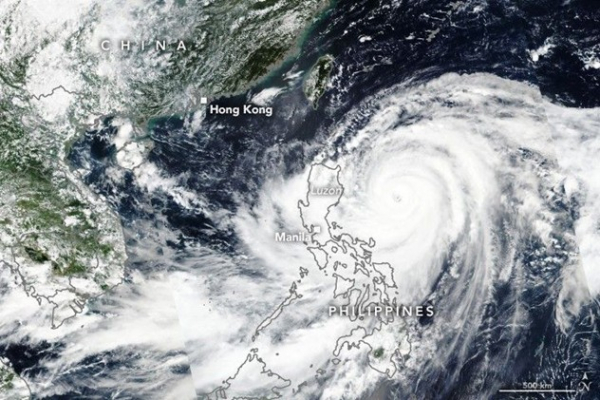
Tropical cyclones (TCs) are among the most destructive natural hazards worldwide, yet their impacts are rarely driven by a single process alone. In many cases, TC damage emerges from the interaction of multiple hazards, including extreme winds, intense rainfall, storm surge, flooding, and associated infrastructure and socioeconomic disruption. This presentation provides background on compound TC hazards and the main approaches used to analyze them. From this perspective, TCs are understood not simply as isolated weather events, but as complex and multi-dimensional hazards with potentially long-lasting consequences.
Against this broader background, the presentation then focus on sequential TCs. Sequential TCs occur when multiple storms affect the same location within a relatively short period of time, so that recovery from one event may still be incomplete when the next storm arrives. This raises important questions about cumulative damage, interrupted recovery, and the possibility that repeated shocks may amplify long-run impacts beyond what is captured in conventional single-event assessments. Using event-level TC data, I show that sequential TC exposure is associated with more persistent economic losses than would be suggested by treating storms as isolated events. These findings highlight the importance of accounting for temporal clustering in the assessment of TC risk and its long-run development consequences.
For additional information, please contact Miss Duo YANG, skyleryang@connect.hku.hk.