KUNPENG PROGRAM 2026 CONNECTS PLANETARY SCIENCE, AI AND RESEARCH PRACTICE AT HKU
2026.08.31
Fifty undergraduate students from various universities in Jiangsu Province completed a 19-day interdisciplinary programme at The University of Hong Kong (HKU), combining planetary science lectures with geological observation, computational analysis, and collaborative research.
 |
|
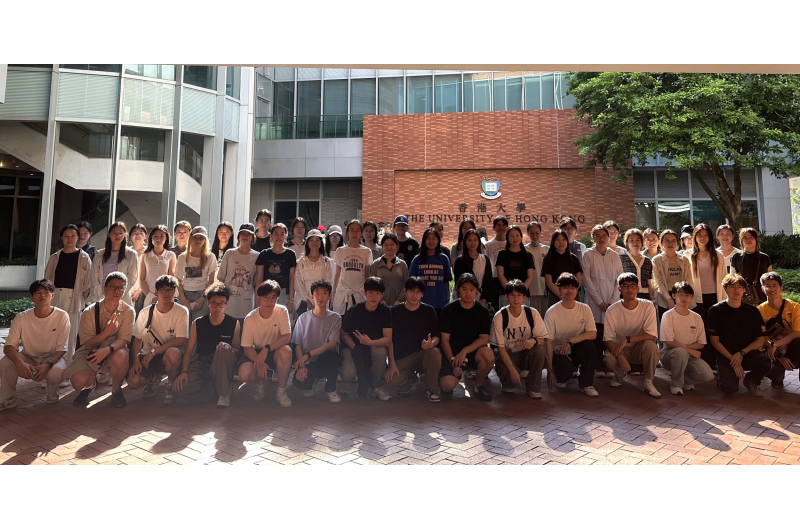
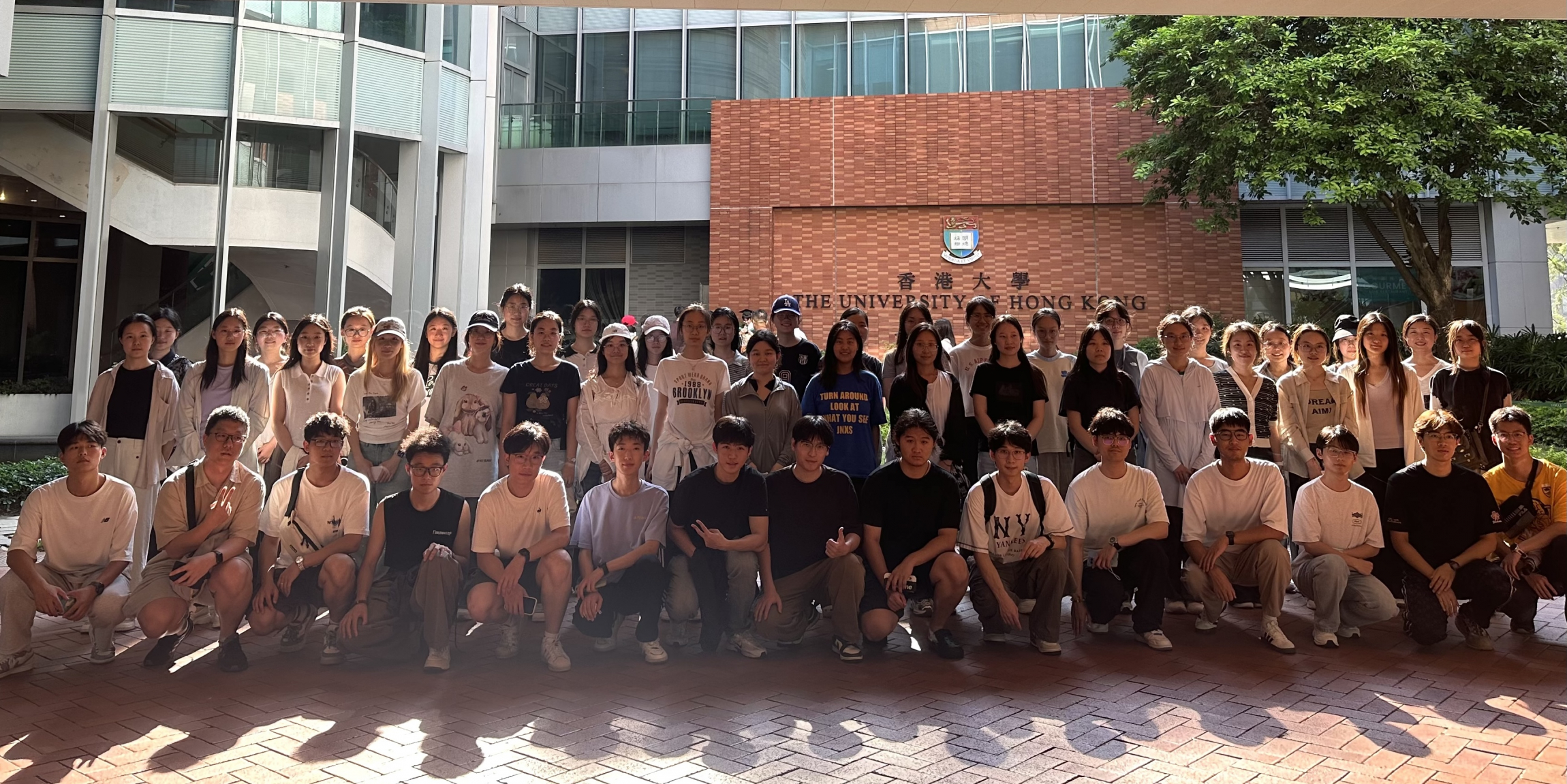
Participants and teaching staff of the Kunpeng Program 2026 on the HKU campus. |
From 11 to 29 August 2026, the Department of Earth and Planetary Sciences (DEPS) and the Laboratory for Space Research (LSR) at HKU jointly hosted the Kunpeng Program 2026. The programme brought together 50 undergraduate students from different universities in Jiangsu Province for an intensive introduction to planetary science, artificial intelligence, big data analysis, and scientific research practice.
|
|
|
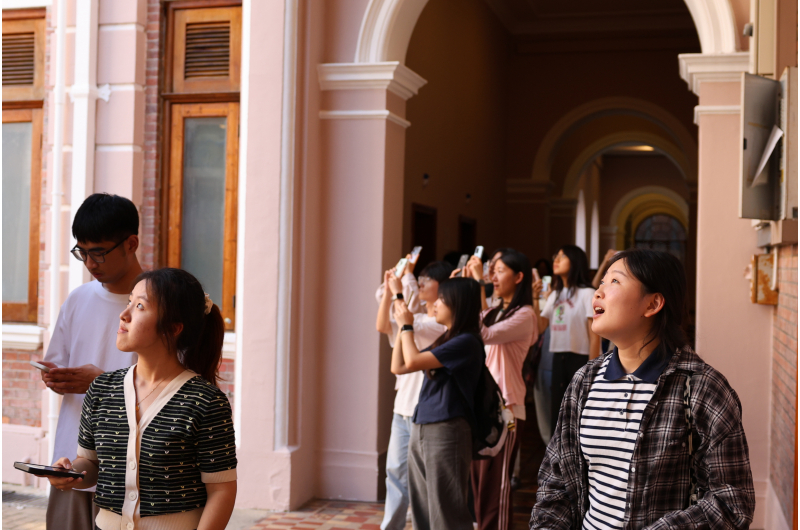
Students explore HKU’s historic Main Building. |
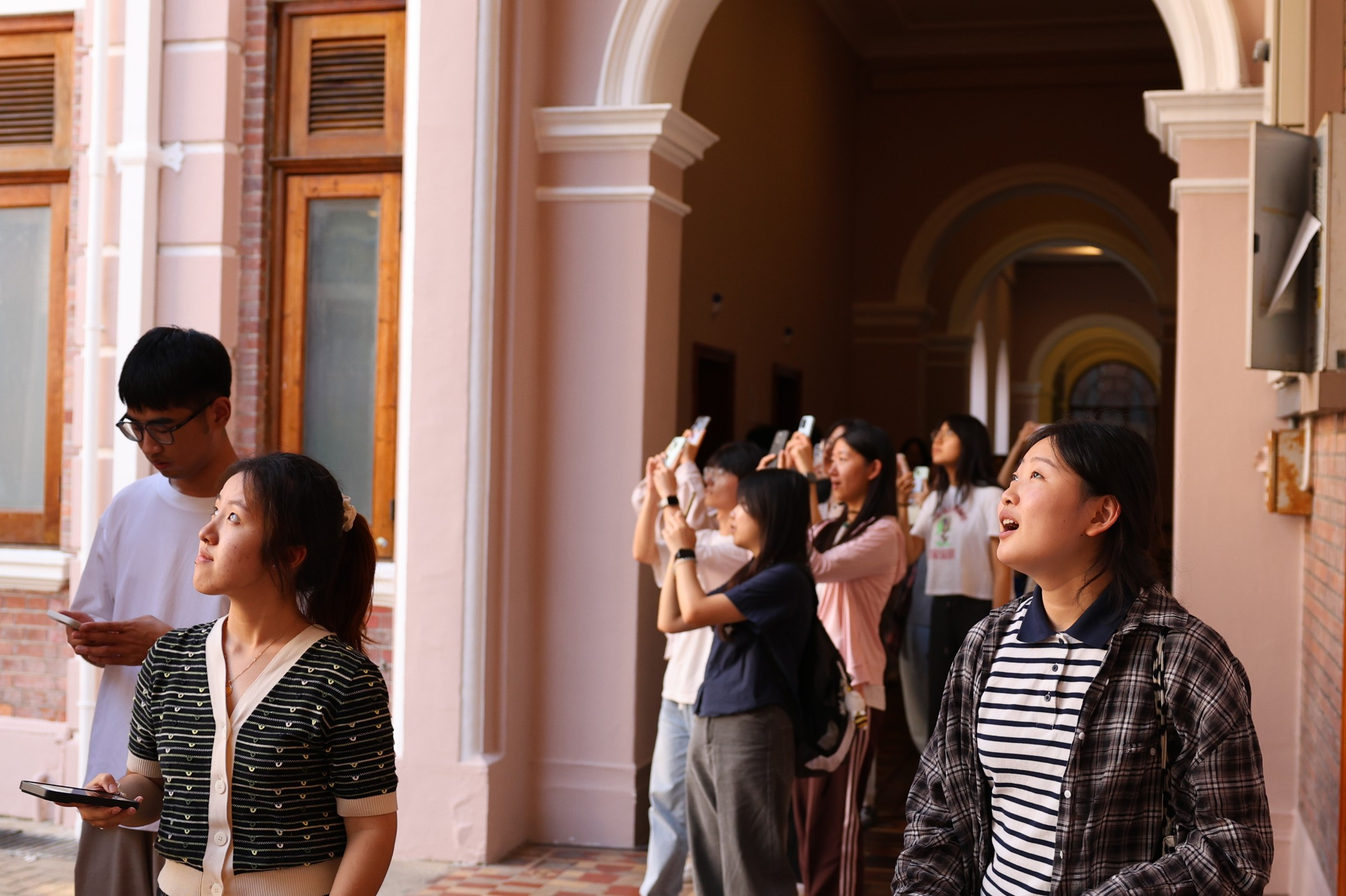
The programme introduced students not only to new subjects, but also to the wider environment in which university research takes place. Campus-based activities encouraged participants to experience HKU as a community of inquiry and to consider how scientific knowledge develops through observation, discussion, and collaboration.
Designed around a question-driven, data-centric, and practice-oriented approach, the curriculum linked four areas: frontiers of planetary science, foundations of AI and big data, planetary data systems, and data processing and analysis. Lectures and workshops explored space weather, planetary environments, planetary surface processes, remote sensing, deep learning, and AI for science. Practical sessions introduced Python and PyTorch and demonstrated how computational tools can be applied
to planetary imagery, auroral observations, and numerical models of the Sun-planet environment.
 |
|
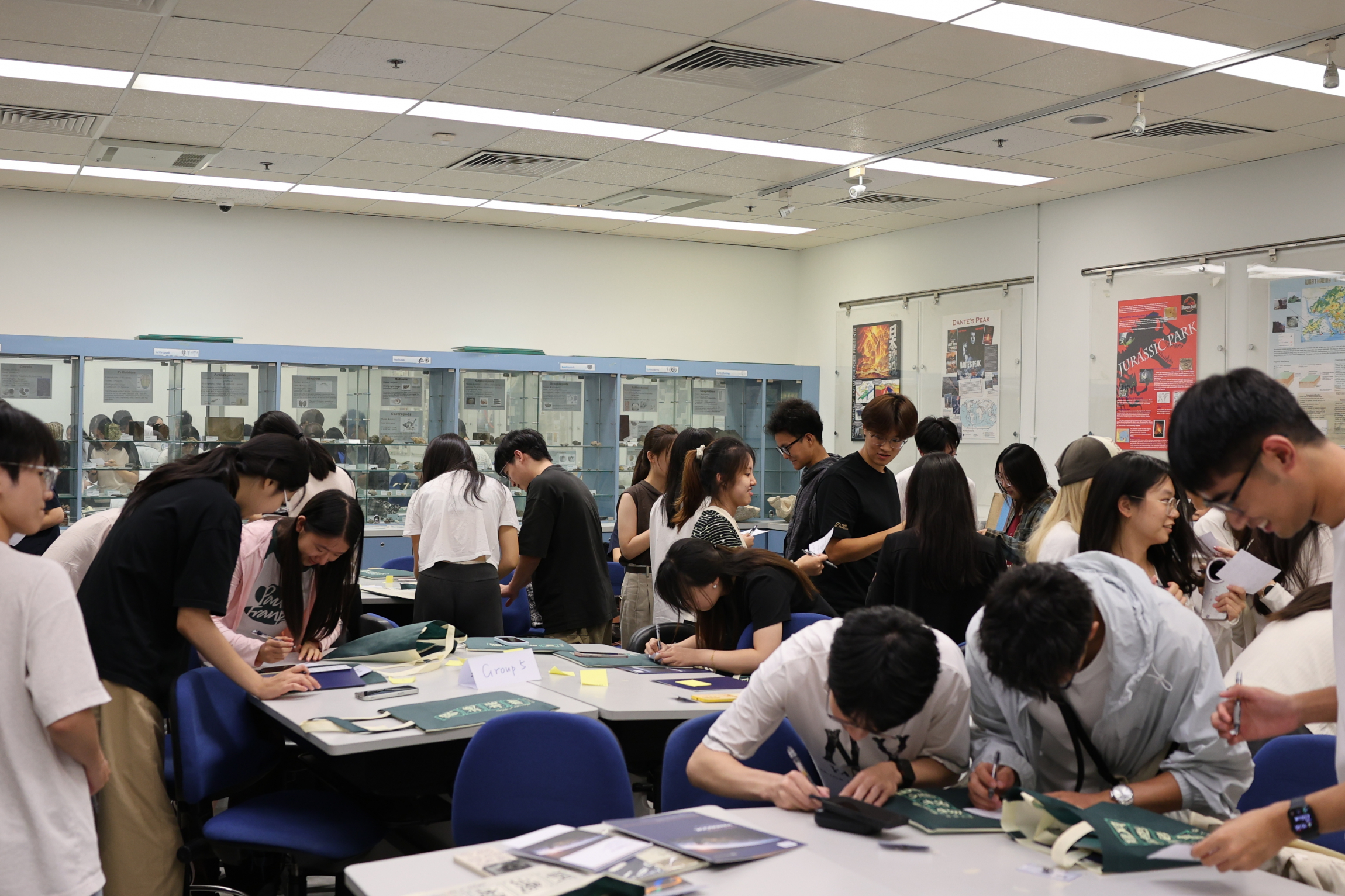
Students got to know one another during an ice-breaking activity at the start of the Kunpeng Program. |
The interdisciplinary teaching team brought together HKU academics and researchers with specialists in planetary space physics, scientific AI, numerical simulation, and planetary remote sensing. By linking foundational concepts to active research questions, the instructors showed how evidence from planetary surfaces and space environments can be interpreted using physical understanding, careful observation, and modern computational methods.
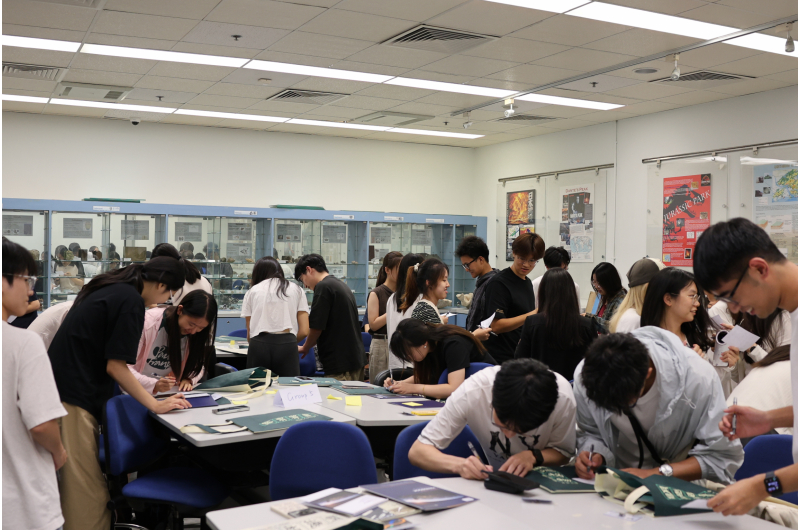
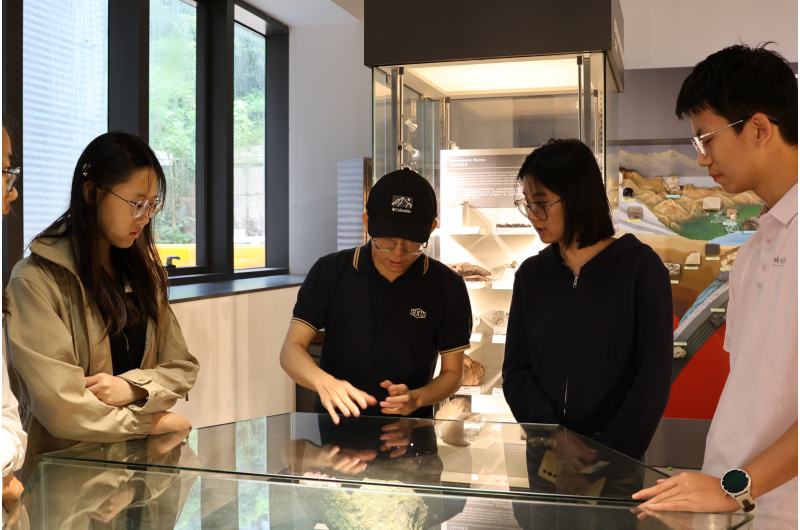
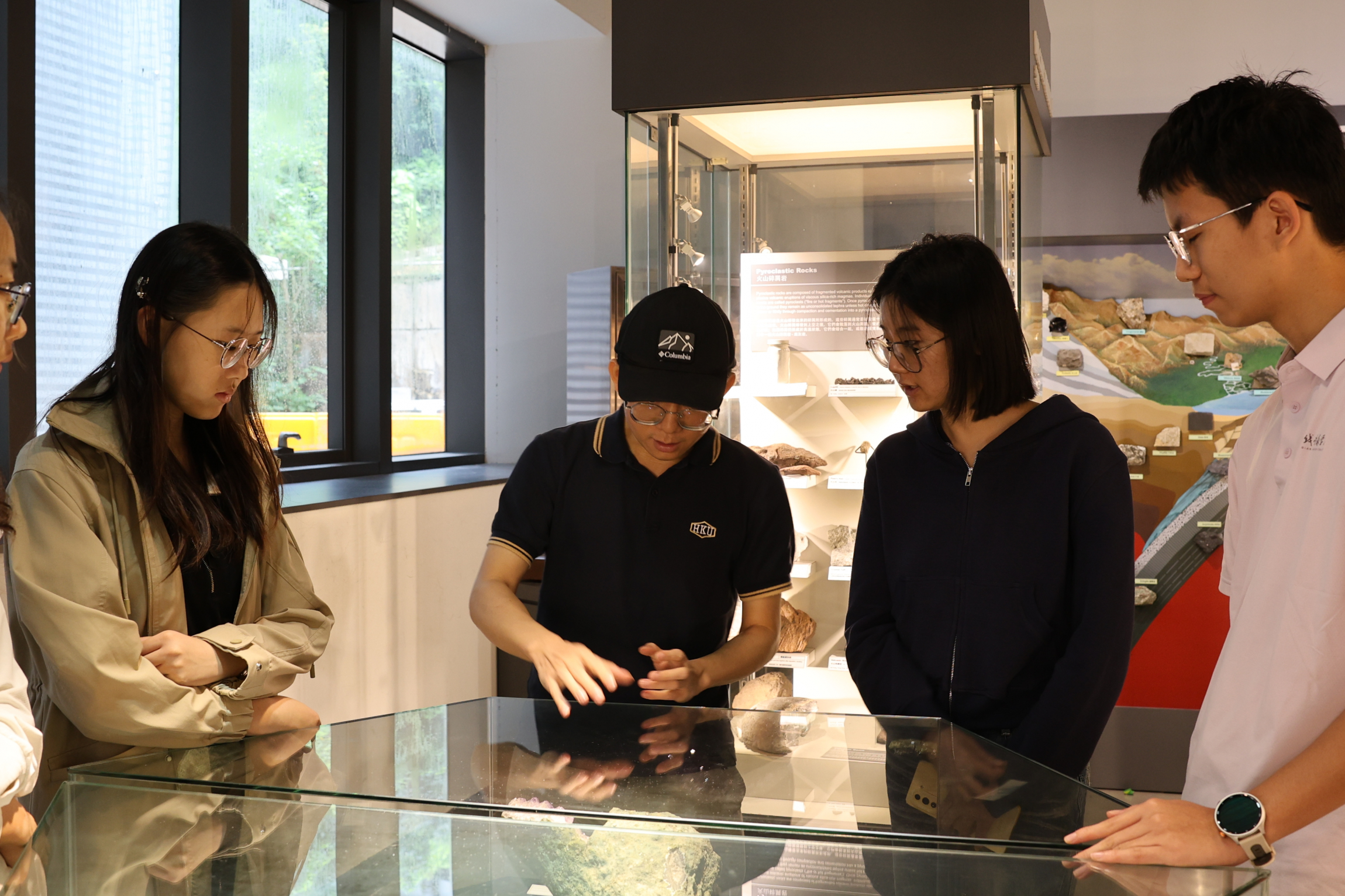
Experiential learning was central to the programme. Students studied lunar and geological specimens, practised interpreting remote-sensing evidence, and took part in classroom and museum-based activities. These experiences placed planetary exploration in a broader Earth Science context: many of the same observational habits used to understand terrestrial rocks, landforms, and processes are essential for interpreting the Moon, Mars, and other planetary bodies.
 |
|
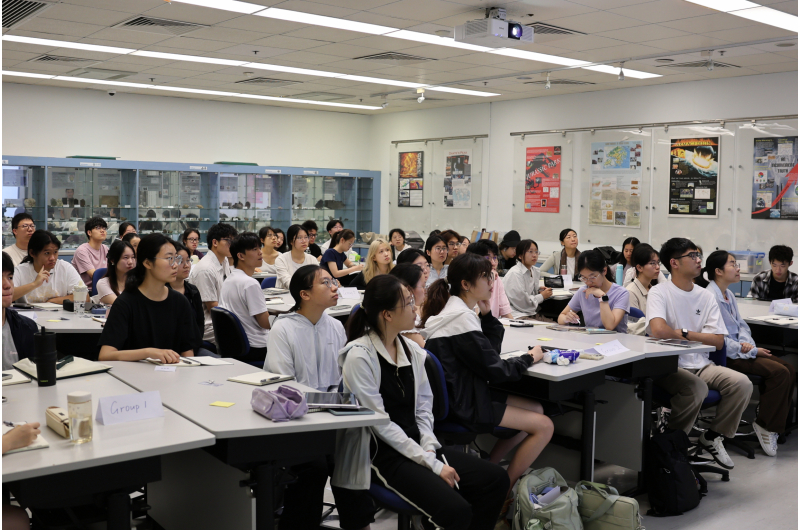
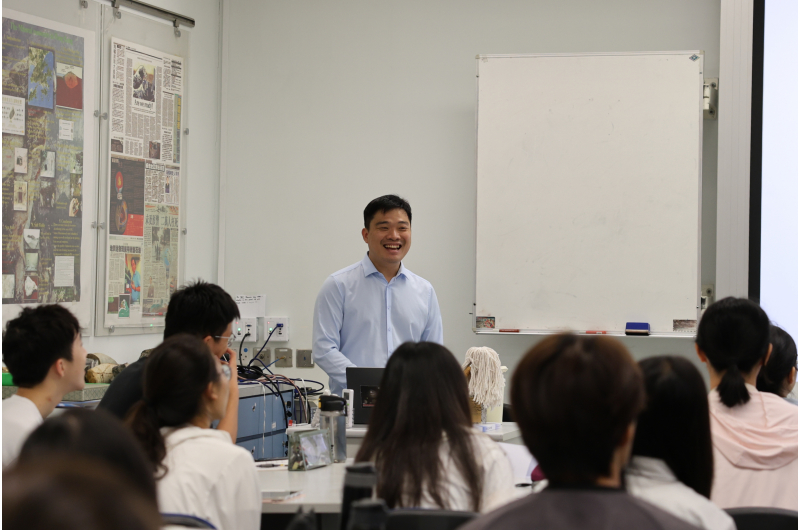
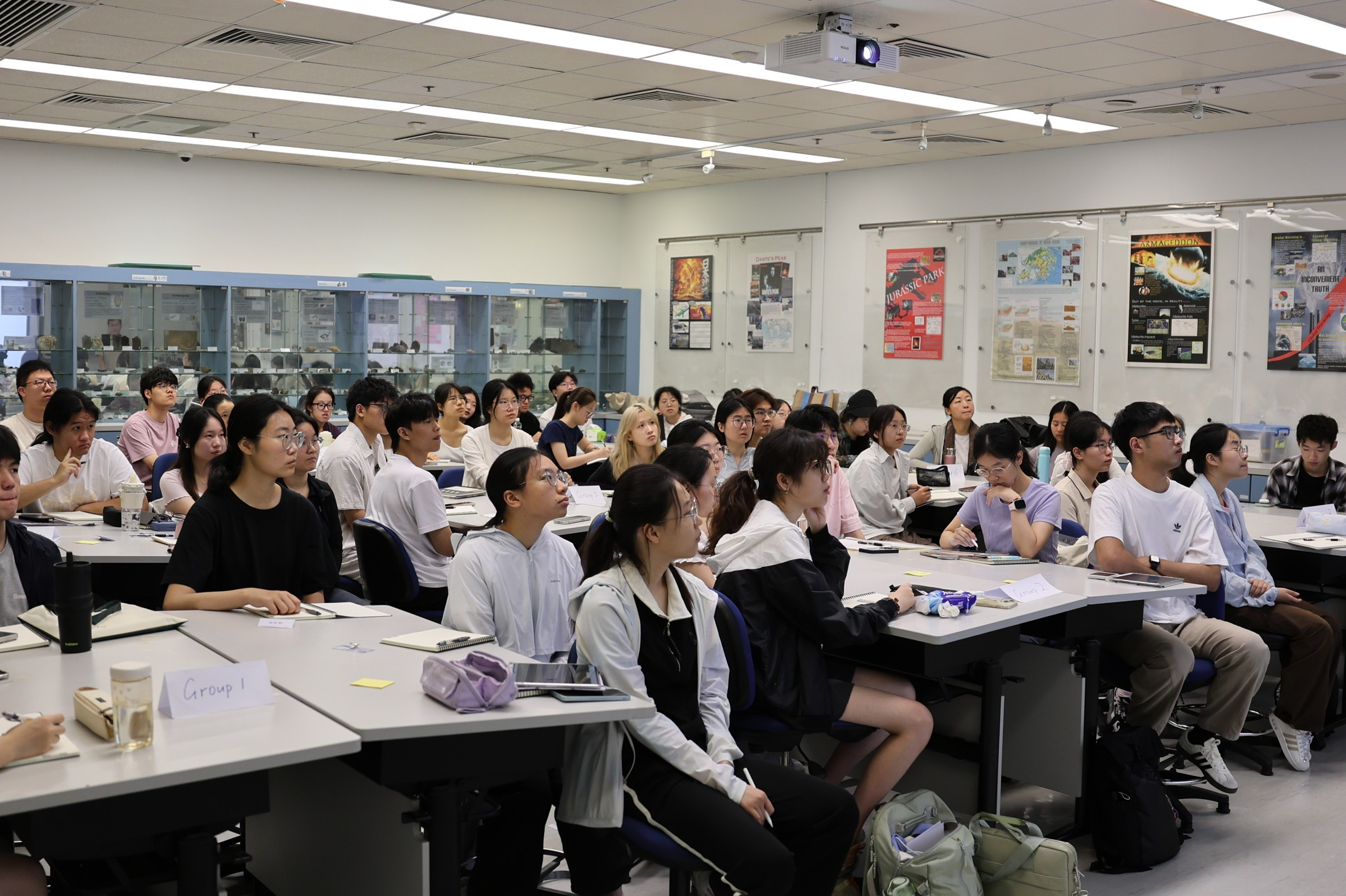
A classroom session introduces students to planetary-science concepts and research questions. |
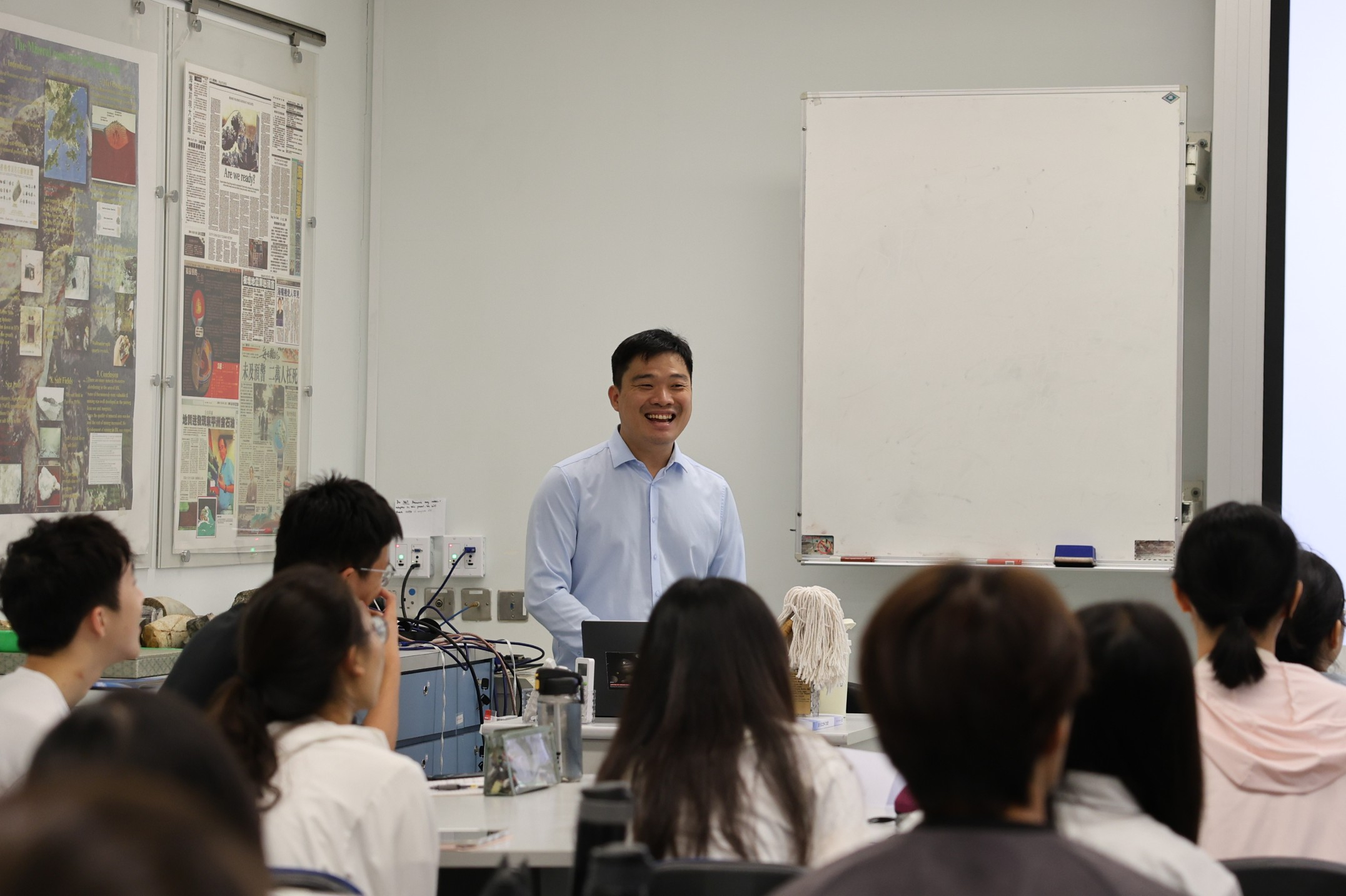
Teaching moved between formal explanation, open discussion, and close examination of evidence. Students were encouraged to ask why a method was appropriate, what a dataset could and could not reveal, and how conclusions should be tested before they are presented.
 |
|
An instructor leads a discussion during one of the programme’s interactive teaching sessions. |
 |
|
A guided specimen session connects observations of geological materials with planetary interpretation. |
Learning also extended beyond formal classes. Visits across Hong Kong exposed participants to research facilities, science education, museums, and the city’s cultural landscape. Together, the classroom, practical, and field-based elements encouraged students to approach planetary science as a discipline drawing on geology, physics, and computation, combined with careful observation.
The programme culminated in a final presentation day on 28 August. Working in nine teams, the students developed research projects and presented their questions, methods, analytical results, and conclusions to a review panel. Each team responded to questions and received direct feedback on its scientific reasoning, use of data, and clarity of communication.
By integrating planetary science education with AI, coding, and academic presentation, the Kunpeng Program offered participants a realistic view of how contemporary research is carried out. It also reflected DEPS’s commitment to creating high-quality learning opportunities that connect young people with frontier questions in Earth and planetary sciences and equip them to work confidently across disciplinary boundaries.
 |
|
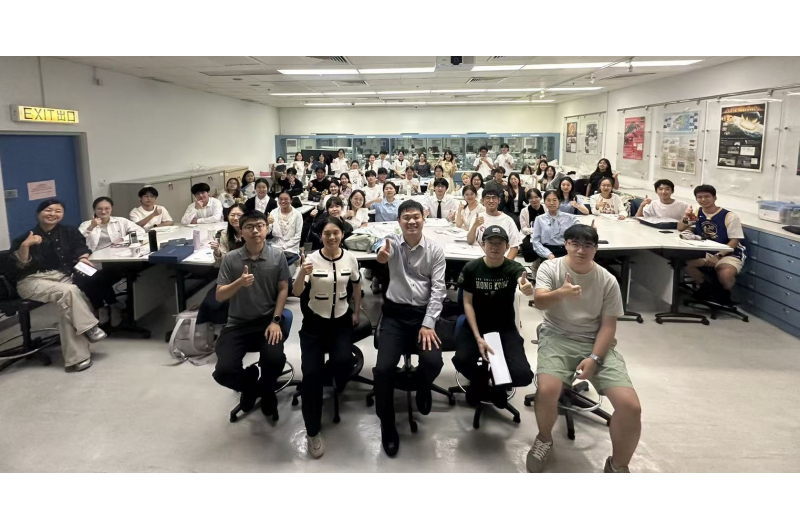
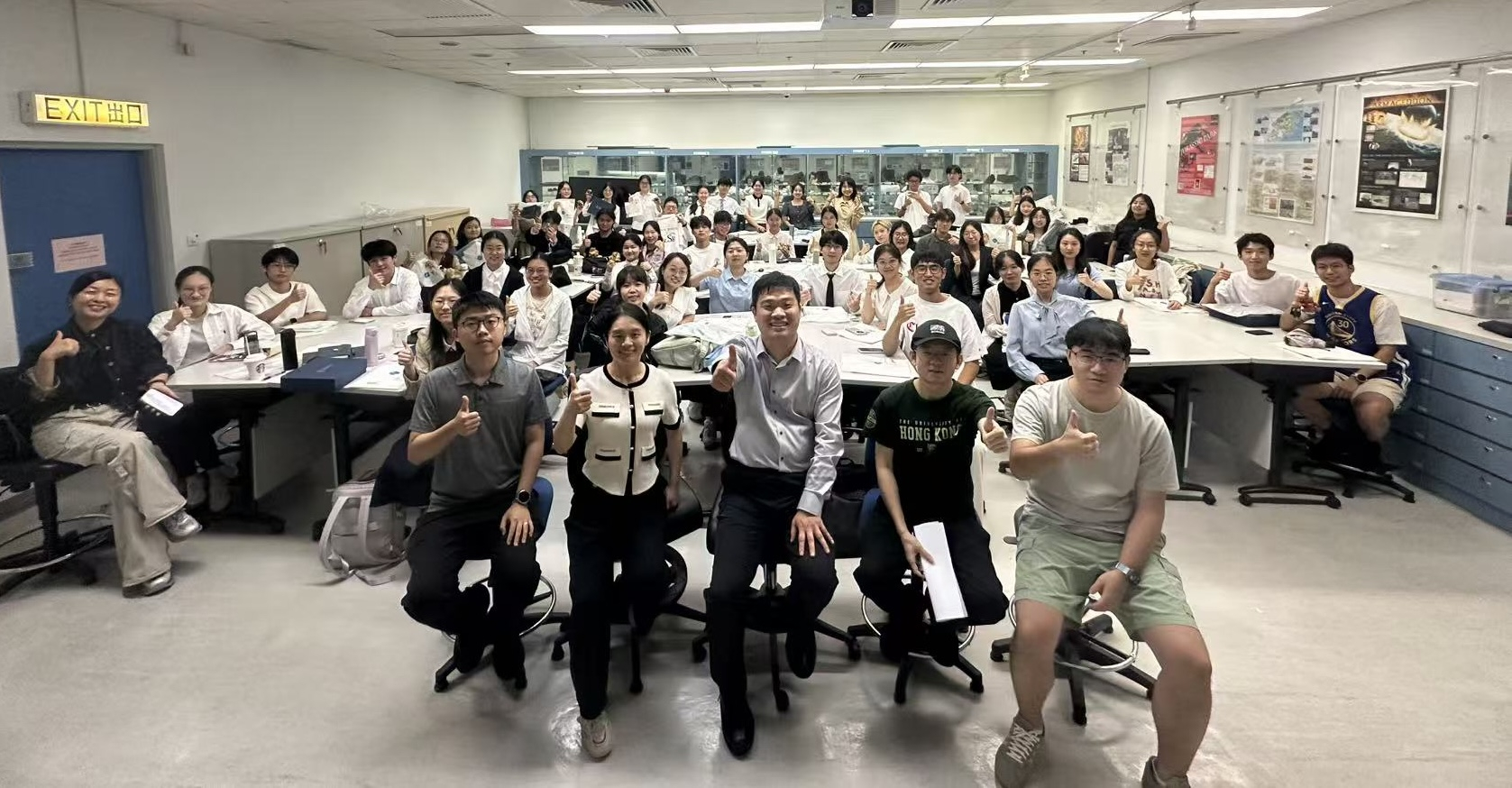
Participants and instructors mark the completion of the Kunpeng Program 2026. |